Kidney Care Today
Understanding how kidney disease progresses and how dialysis supports patients.
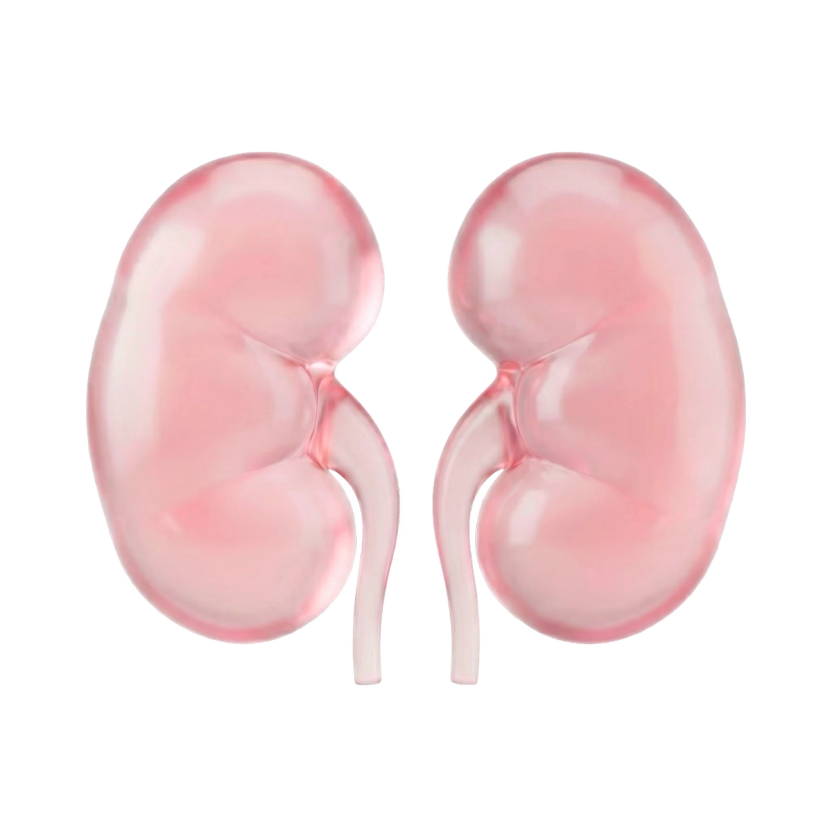
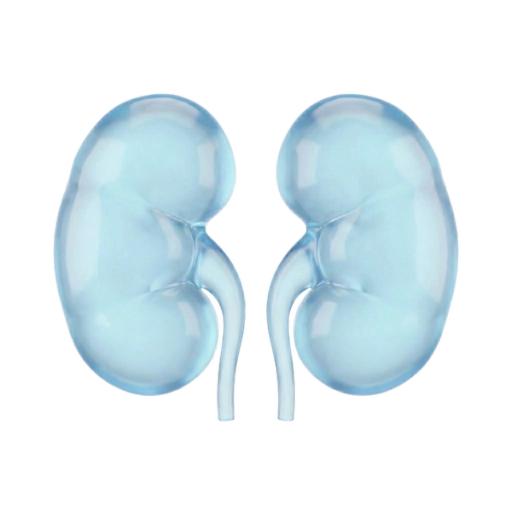
What is the kidney and why does it matter?
The kidneys are essential for keeping the body in balance.
When the kidneys stop working properly, these systems quickly fall out of balance, affecting the whole body, not just one organ.
Filters the blood
Removing waste and excess fluid to keep the body clean
Maintains balance
Regulating water, salts and minerals so cells function properly
Controls key systems
Helping manage blood pressure and acid levels
Supports vital processes
Producing hormones for red blood cells and bone health


The Landscape of Kidney Care
Kidney disease is part of a broader global health shift driven by aging populations and rising chronic conditions such as diabetes, hypertension, and obesity. As these conditions increase, so does the number of patients requiring long-term care to replace essential kidney function.
850,000,000+
People affected worldwide
Kidney Disease
11th leading cause of death worldwide
3rd
fastest-growing cause of death
Driven by diabetes, hypertension, and obesity
4%
annual growth
Disease Progression
Kidney Failure
~25M
patients
Treated ESRD
>2M
patients
Treatment Split
Hemodialysis (HD)
~88%
Peritoneal Dialysis (PD)
~12%
As kidney function declines, patients eventually require treatment to replace the role of the kidneys.
How Dialysis Works Today
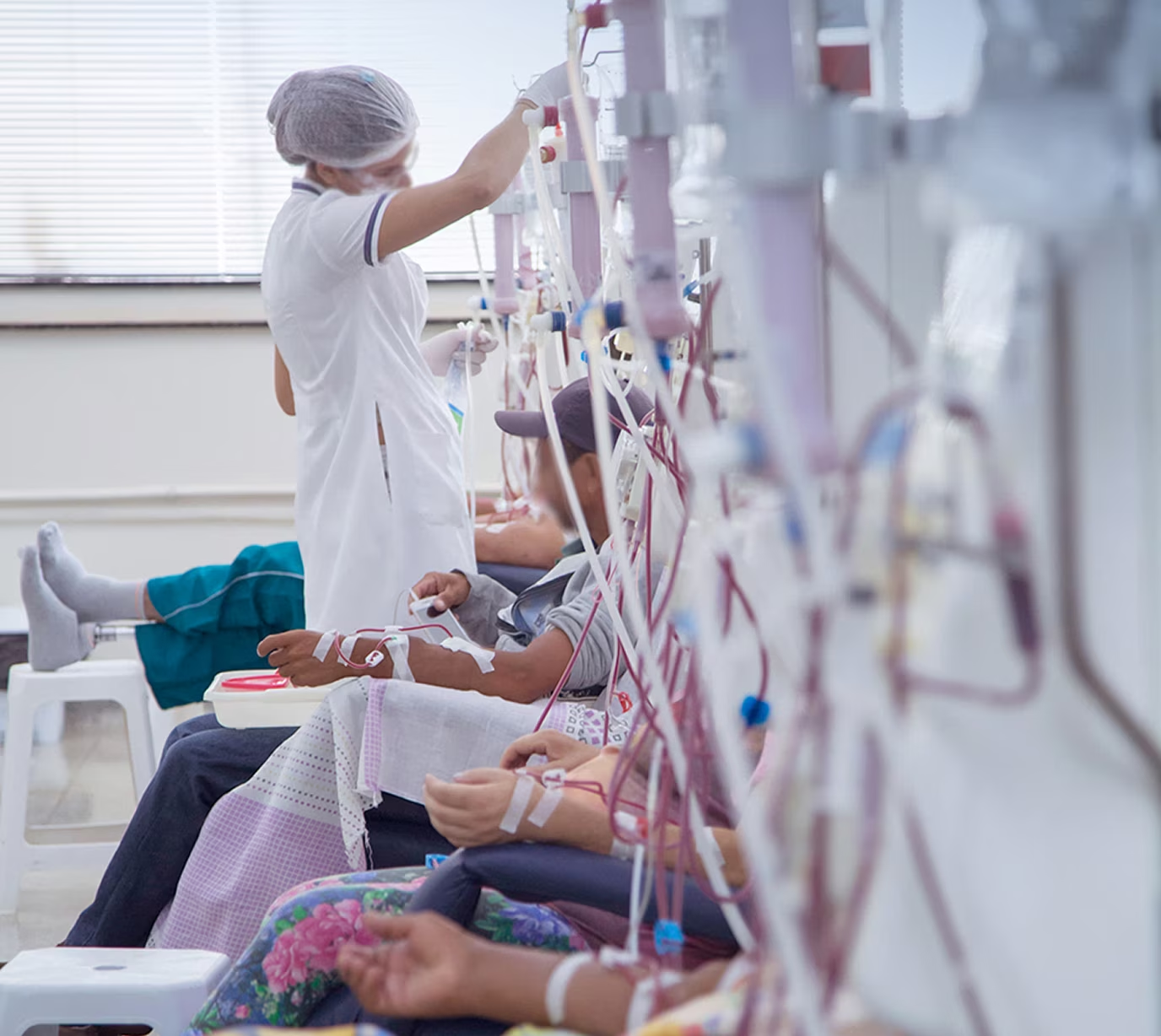
When the kidneys can no longer function, dialysis removes excess fluid and waste from the body. There are two primary approaches.
Two primary approaches
Requires 3–5 hour clinic visits, 3x weekly
Causes fatigue, cramps, headaches, and nausea
Long-term vascular access issues
Costs $70–120K per patient annually in the U.S.


Hemodialysis (HD)
Requires 3–5 hour clinic visits, 3x weekly
Causes fatigue, cramps, headaches, and nausea
Long-term vascular access issues
Costs $70–120K per patient annually in the U.S.

Peritoneal Dialysis (PD)
Home-based, flexible, and gentler
Better preserves kidney function
Higher first-year survival rates
Significantly more cost-effective


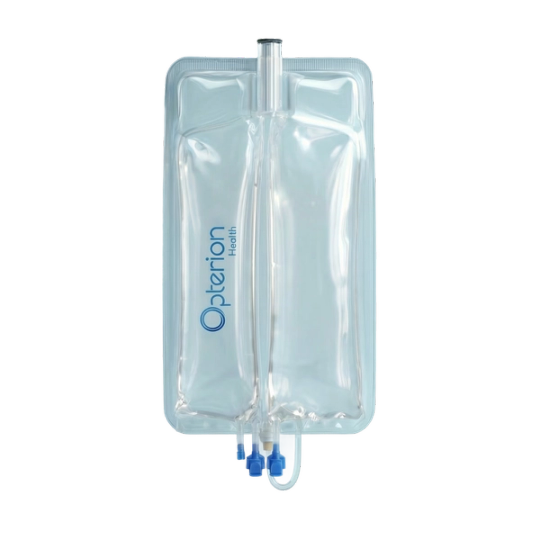
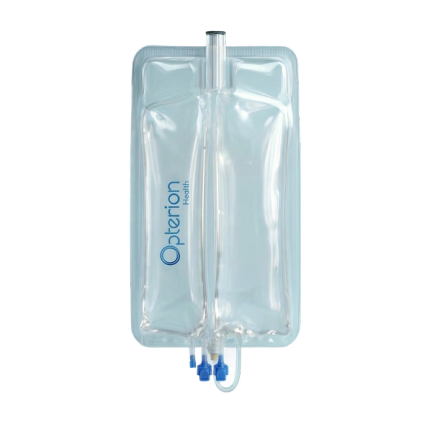
OPT101
OPT101 is designed to set a new standard of care
OPT101 removes glucose from the core of peritoneal dialysis — addressing the root cause of metabolic stress in current therapies.
By avoiding glucose, OPT101 reduces insulin spikes and metabolic burden, making it well suited for diabetic patients.
Delivers steady ultrafiltration across both day and night dwells, for more predictable therapy.
Adjustable concentrations allow therapy to be personalized to each patient.
Designed to slot into existing PD workflows with minimal disruption for patients and providers.
A scalable, home-based model that improves outcomes while easing pressure on healthcare systems.